


Every woodworker eventually learns the same lesson: accuracy comes from setup, not from steady hands. A good jig keeps a cut straight or a hole in the right place, and a good toolbox keeps that jig, and everything around it, ready when you need it. Used together, they turn a messy bench into a calm, repeatable workspace. Here’s a plain guide to how each one works and how to choose both well.
What Is a Woodworking Jig?
A jig is a helper that holds a tool or workpiece in a fixed position so a task can be repeated accurately. Think of it as a physical template you can touch. Instead of measuring and guessing every time, you set the jig once and let it guide the work.
Which Types of Jigs Do Woodworkers Use Most?
Duratec’s jigs and guides category lists four main families, which cover most everyday needs:
- Cutting and routing jigs, which guide a saw or router along a set line
- Drilling jigs, which keep holes straight and evenly spaced
- Installation jigs, which help with repeatable fitting tasks
- Miter boxes, which hold a piece at an angle for clean angled cuts
Why Do Jigs Save Time and Reduce Mistakes?
Repetition is where errors multiply. Drill ten holes by eye and each might drift slightly. Use a drilling jig and they match. The same logic applies to cuts, angles and fitting work.
What Should You Look for When Choosing a Jig?
Accuracy and stability matter most. Check that guide surfaces are smooth and consistent, that adjustable parts lock firmly and that markings line up with the real cutting or drilling position. Then test it: make a few identical parts and measure them. If the results drift, the jig, the clamp or the setup needs attention.
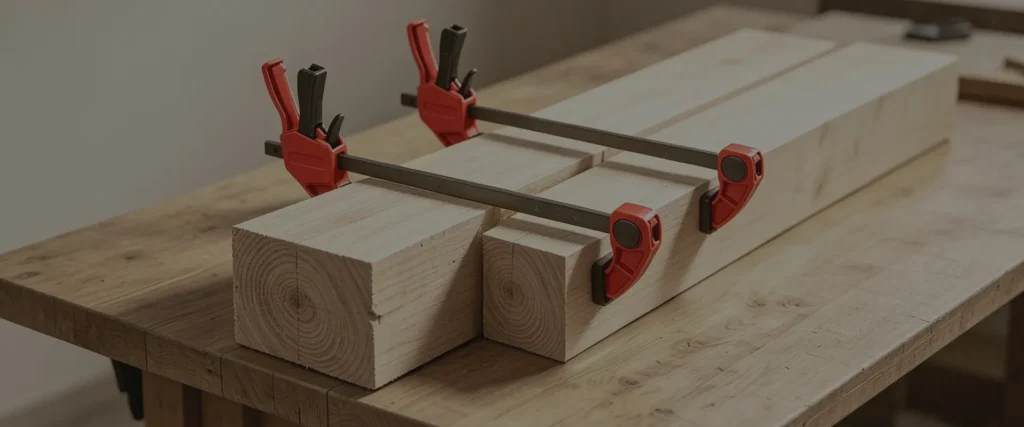
Clamps matter here too. A jig that slides is only a suggestion, so secure it firmly to the workpiece or bench.
How Do You Find a Reliable Supplier of Woodworking Jigs?
Look beyond photos and price. A dependable woodworking jigs supplier should give you clear specifications, honest descriptions of each jig and consistent quality from one batch to the next.
Ask for samples and test them on real work. Ask which materials are used, how accuracy is checked and what happens if a product arrives damaged. Duratec lists ISO 9001 certification on its website, which points to a documented quality system, and asking for current certificates is a sensible habit with any supplier.
What Types of Tool Storage Are Available?
Duratec’s storage and organization category includes standard toolboxes, standard organizers and a modular storage system. Each suits a different style of work.
Standard toolboxes suit people who carry a general collection between locations. Organizers keep small parts, bits and fittings sorted. Modular systems let you stack cases and add pieces over time, which suits growing collections.
What Makes a Good Toolbox?
Look closely at the parts that take the strain: latches, hinges, corners and handles. Check that lids close securely and that handles stay firm under a heavy load. Stacking stability matters if you plan to carry several cases.
Protection matters too. Duratec’s 721 modular system Set A is described with an IP65-rated silicone gasket that seals the lid against dust and water, plus a patented auto-locking system that interlocks the units. IP65 means dust-tight and protected against jets of water, though you should always ask how a rating was verified. Its Set D takes a softer approach, with an Oxford fabric tote that has a wide opening, a carry handle, and pockets inside and out.
How Do You Choose a Maker of Tool Boxes?
Start with the same questions you’d ask about any maker of tools. How is the product tested? Which materials are used for the body, hinges, and latches? Can the design be adjusted if you need different colors, inserts, or branding?
A good tool box manufacturer will answer these clearly and share documents rather than slogans. Duratec lists about 400 employees and 65,000 square meters of production space on its website, and describes OEM/ODM services covering product development, customization, and manufacturing. Facts like these are worth confirming through a call or video tour before placing a large order.
How Can You Organize Jigs Inside a Toolbox?
A few simple habits help:
- Group jigs by job, such as drilling, cutting or fitting, not by size.
- Keep fragile guides and layout tools in padded or separate compartments.
- Label cases clearly so you can find the right one in seconds.
Conclusion: How Should You Set Up Jigs and Toolboxes Together?
Choose jigs that match the jobs you repeat, test them for accuracy and secure them with good clamps. Store them in a toolbox or modular system that protects them and keeps them easy to find. Ask suppliers for clear specifications, samples and documents, and pick partners who answer honestly. With the right jigs and the right storage, your workshop runs smoother and your work looks better.
What Questions Do People Ask Most Often?
What is the difference between a jig and a template?
A template is usually a pattern you trace or follow. A jig is a broader term for a device that guides a tool or holds work in position. Some tools act as both.
Do beginners really need jigs?
They help a lot. Jigs reduce mistakes and make accurate results easier, so beginners finish better projects sooner. Start with a drilling jig or a miter box and add more as your projects grow.
How do I know if a toolbox is waterproof?
Look for a stated protection rating and ask how it was tested. Duratec lists an IP65-rated gasket on its 721 modular system Set A, which means dust-tight and protected against water jets, but check whether the rating covers the whole case.
Can jigs and toolboxes be customized for a brand?
Often yes. Colors, logos, packaging and small features can usually be adjusted on an existing design, though bigger changes may need new tooling. Ask early which changes are simple.