
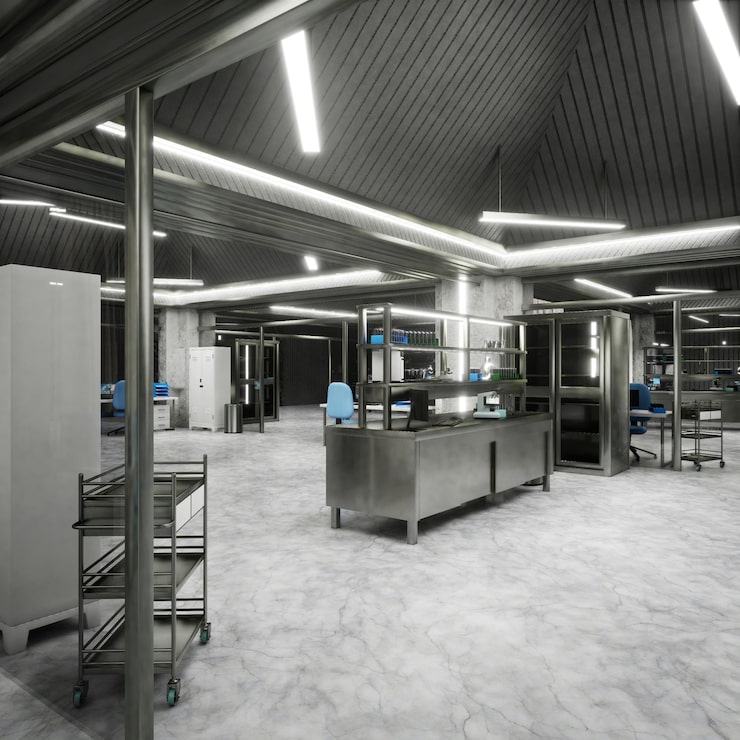

If you run a food service operation, the floor beneath your feet matters more than most people realize. commercial kitchen flooring takes a beating every single day. Grease splashes, boiling water spills, heavy foot traffic, and harsh cleaning chemicals all work against ordinary floors. Choosing the wrong surface isn’t just a maintenance headache. It can become a genuine safety and compliance risk that shuts your kitchen down.
What Makes a Kitchen Floor Truly Commercial Grade?
Not every floor sold as “durable” can survive a real commercial kitchen environment. The difference between a floor that lasts five years and one that lasts decades often comes down to the material, the installation method, and the installer’s experience. In a professional kitchen, you need a surface that handles thermal shock, resists the chemical cleaners used for daily sanitation, and stays slip resistant even when wet with grease or water.
Epoxy flooring checks every one of those boxes. Its seamless surface leaves no grout joints, no mortar lines, and no cracks where bacteria can hide and multiply. For food service operators, that matters enormously. Health inspectors look closely at floors during every audit, and a seamless, cleanable surface is one of the easiest ways to pass with flying colors. The investment pays for itself in reduced cleaning time, fewer repair calls, and lower long-term maintenance costs.
How Does Epoxy Bond to Existing Kitchen Surfaces?
One of the questions kitchen managers ask most often is whether they need to rip out their old tile before installing a new floor. The good news is that epoxy can often be applied directly over existing tile surfaces. When the baked glaze is removed from old tiles, the clay base that’s exposed shares the same thermal expansion coefficient as concrete. That compatibility allows the thermally cured epoxy resin to essentially weld itself to the tile, creating a bond that resists cracking and disbonding over time.
For floors installed directly onto concrete, a high adhesion rating is the key factor. The preparation process involves diamond grinding with heavy equipment and HEPA vacuum systems to remove any bond inhibitors like dust or residue. Once the surface is completely clean and properly profiled, the epoxy system goes down in layers: a slurry base with broadcast aggregate for slip resistance, followed by a chemical resin topcoat that locks everything in place permanently.
Why Is Slip Resistance Non-Negotiable in a Commercial Kitchen?
Think about a lunch rush in a busy restaurant kitchen. Line cooks move fast, pans come off burners, sauces get splashed. A floor that becomes slippery under those conditions puts your entire team at serious risk. Slip and fall accidents are among the most common workplace injuries in food service, and many of them are entirely preventable with the right flooring choice from the very beginning.
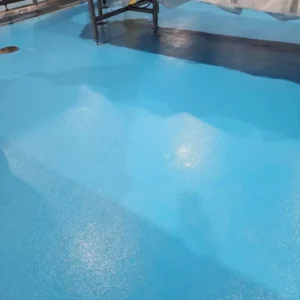
The broadcast aggregate incorporated during the slurry phase of an epoxy installation creates a texture that grips footwear even when the surface is wet or heavily greased. That texture doesn’t wear away after a few months. It’s built into the flooring system itself, so it stays effective for the life of the floor. For any kitchen operator serious about staff safety, this isn’t optional. It’s a baseline requirement for any professional operation.
What Does the Installation Process Actually Look Like?
HPS Flooring has been installing epoxy systems in commercial kitchens since 1988, which means over 37 years of real-world experience with the unexpected situations that pop up on every job. Their team uses 800-pound diamond grinding equipment, which creates the right surface profile through sheer downward pressure alone. Combined with HEPA vacuum systems, this preparation removes every bond inhibitor from the substrate before a single drop of resin goes down.
Because their commercial kitchen flooring system has such a high adhesion rating, it doesn’t require a primer coat. That saves time and removes one potential point of failure from the installation. After surface prep is complete, the slurry and broadcast aggregate go down first, followed by the chemical resin topcoat. Most kitchen-sized installations are completed within three days, and the team works around each client’s production schedule to minimize downtime.
Is This System USDA and FDA Compliant?
Compliance isn’t optional in a commercial food operation. HPS Flooring installs antimicrobial systems that meet both USDA and FDA requirements. Their resins are specifically designed to resist the harsh cleansers that food service facilities use daily to meet strict sanitation standards. That chemical resistance also means the floor doesn’t degrade over time from regular cleaning, which translates directly into a longer service life for your investment.
For operators specifically searching for commercial kitchen flooring NJ solutions that satisfy health inspection standards, HPS Flooring serves kitchens across New Jersey, New York, and Pennsylvania. Their focus is exclusively on commercial and industrial facilities. They do not take on residential kitchen projects, which means every ounce of their expertise is concentrated on the environments that truly demand professional grade systems.
What About Long-Term Maintenance Costs?
Here’s where epoxy flooring genuinely earns its long-term reputation. Because the surface is completely seamless and non-porous, daily cleaning is fast and simple. Grease doesn’t soak in. Cleaning chemicals don’t eat through the finish. Regular sweeping followed by damp mopping with appropriate cleaners is typically all that’s needed to keep the floor looking and performing its best every single day.
The long lifespan of a properly installed epoxy system creates a strong return on investment. You’re not regrouting tile joints every few years, patching cracked surfaces, or dealing with bacterial buildup in floor seams. The maintenance savings add up quickly, and the durability reduces downtime costs that come with floor repairs in a working kitchen environment.
Conclusion
Choosing the right floor for your commercial kitchen isn’t about picking the cheapest option available. It’s about finding a system that performs under real conditions, keeps your team safe, passes health inspections, and holds up for years without constant repairs. Epoxy flooring from an experienced specialist delivers all of that and more. If your current kitchen floor is showing wear, harboring bacteria in old grout lines, or becoming a slip hazard for your staff, it’s time to consider a proper commercial grade solution installed by professionals who have been doing this since 1988.
FAQ
How long does a commercial kitchen epoxy floor installation take? Most kitchen-sized installations are completed in approximately three days. The team works flexible hours to accommodate each client’s production schedule.
Does epoxy flooring meet USDA and FDA requirements? Yes. HPS Flooring installs USDA and FDA compliant antimicrobial systems specifically designed for food service environments.
Can epoxy be applied over existing tile floors? Yes. By removing the glazed surface from old tile, the clay base bonds effectively with epoxy resin because both materials share the same thermal expansion coefficient.