
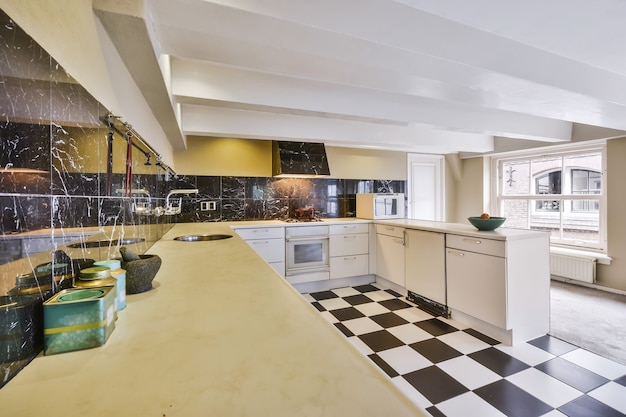

New Jersey homeowners renovating their kitchens increasingly choose kitchen epoxy flooring nj services because of the durability, appearance, and value these floors provide. Given the region’s fluctuating weather, a flooring solution that resists moisture and temperature changes offers real peace of mind for busy households throughout the year.
Traditional flooring materials often struggle under the pressure of daily kitchen activity. Tiles crack, laminate warps, and hardwood scratches easily. Epoxy, however, forms a resilient, seamless barrier that shrugs off spills, dropped utensils, and heavy foot traffic without showing visible wear, which is precisely why so many local homeowners are switching.
What Makes This Flooring Option Stand Out
The appeal goes beyond durability alone. Epoxy surfaces can be customized with metallic effects, solid colors, or decorative chips, giving each kitchen a unique personality. Because the coating is applied as a liquid before curing into a solid layer, designers have far more creative freedom compared to rigid materials like tile.
Consider the following advantages that draw so much attention:
- Seamless finish that eliminates hidden dirt traps
- High resistance to grease, oil, and food stains
- Simple maintenance routine using basic cleaning tools
- Attractive glossy or matte finish options
- Strong bond to concrete subfloors for lasting stability
Understanding The Local Advantage
Working with installers familiar with New Jersey conditions matters more than many homeowners realize. Humidity levels, seasonal temperature swings, and older home foundations can all affect how epoxy cures and performs. Local expertise helps avoid common issues such as bubbling, uneven texture, or premature peeling that sometimes occur with inexperienced application.
Many residents specifically search for kitchen epoxy flooring because they want a solution proven to handle both harsh winters and humid summers. This regional awareness during installation often determines whether the floor lasts a decade or needs early repairs, so choosing experienced professionals is genuinely important.
Steps Involved In A Typical Project
- Initial consultation and space assessment
- Surface grinding and crack repair
- Primer application for proper adhesion
- Multiple epoxy coats applied evenly
- Protective topcoat for shine and strength
- Curing period before full use resumes
Each step plays a role in the overall performance of the finished floor. Skipping preparation, for example, often leads to poor adhesion and early failure, which is why reputable installers never rush this stage regardless of project timeline pressures from clients.
Maintenance Tips That Keep Floors Looking New
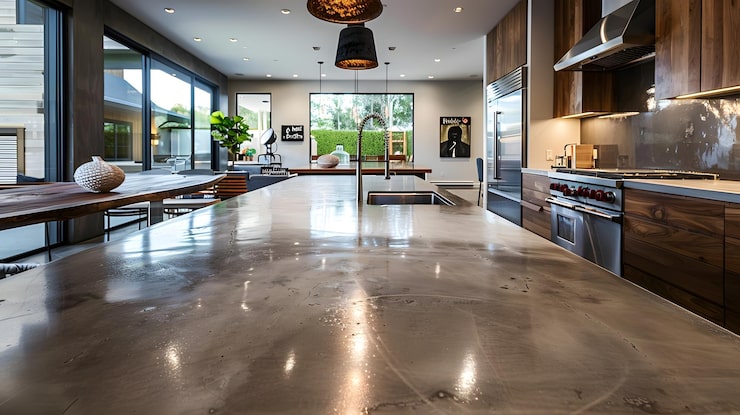
Once installed, maintaining epoxy floors is refreshingly simple. Regular sweeping removes debris, while occasional mopping with mild soap keeps the surface shining. Unlike grouted tile, there are no seams where dirt can hide, so cleaning takes considerably less time and effort throughout the week.
Homeowners should still avoid dragging heavy furniture without protective pads, since scratching can occur over time with repeated abrasive contact. Additionally, using floor mats near sinks and stoves helps reduce exposure to standing water and grease splatter, further extending the lifespan of the coating.
Weighing The Investment Against Long Term Benefits
Although initial installation costs vary based on kitchen size and design complexity, the long term savings often justify the expense. Because repairs are rare and maintenance is minimal, total ownership costs frequently come in lower than tile or hardwood over a ten year period.
Moreover, updated kitchens with modern flooring tend to appeal strongly to future buyers. This means the investment can pay dividends beyond daily enjoyment, particularly for homeowners considering resale within the next several years as the housing market continues shifting.
Bringing It All Together
Ultimately, choosing epoxy for your kitchen renovation combines practicality with visual appeal in a way few alternatives can match. From resisting daily wear to offering flexible design options, it addresses real concerns homeowners face when selecting durable, attractive surfaces for high traffic spaces.
Anyone considering this upgrade should consult experienced local professionals who understand regional conditions thoroughly. Doing so ensures a smoother installation process and a finished result that continues performing beautifully well into the future.