
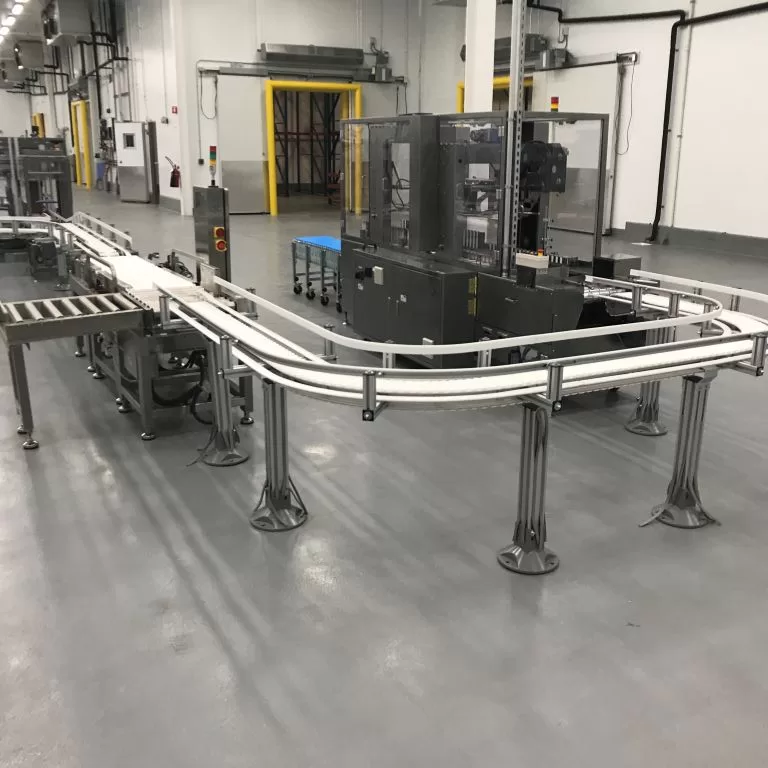

Choosing the right commercial kitchen flooring is one of the most important decisions for any food service facility. Restaurant kitchens, school cafeterias, healthcare kitchens, and industrial food preparation spaces all require flooring systems that can handle moisture, heat, grease, heavy equipment, and continuous foot traffic. Property owners and facility managers searching for dependable commercial kitchen flooring NJ solutions need surfaces that support sanitation, workplace safety, and long-term performance.
Commercial kitchens in New Jersey must also comply with strict health and construction regulations. Floors must remain smooth, non-porous, and easy to clean while resisting damage caused by chemicals, spills, and constant cleaning procedures. Traditional flooring materials often fail under these demanding conditions, making specialized flooring systems the preferred choice for professional kitchens.
Why Commercial Kitchen Flooring Matters
Commercial kitchens operate in challenging environments where flooring is exposed to daily stress. Hot liquids, grease buildup, cleaning chemicals, and heavy carts can quickly damage ordinary surfaces. Installing professional commercial kitchen flooring helps protect the facility while improving safety and cleanliness.
A high-performance flooring system creates a seamless surface that prevents moisture penetration and bacterial growth. This is especially important in food preparation areas where hygiene standards must remain consistent throughout the day. Durable flooring also minimizes maintenance costs and reduces the risk of expensive repairs caused by cracking, peeling, or water damage.
In busy kitchens, flooring contributes directly to operational efficiency. Slip-resistant surfaces help reduce workplace accidents, while seamless finishes make cleaning faster and more effective. These features support both employee safety and regulatory compliance.
Key Features of High-Performance Commercial Kitchen Flooring
Seamless and Non-Porous Surfaces
One of the most important requirements for Commercial kitchen flooring NJ facilities need is a non-porous surface. Seamless flooring systems prevent liquids, bacteria, and grease from penetrating the floor. This creates a sanitary environment that supports food safety standards and simplifies cleaning routines.
Non-porous floors also resist staining and odor absorption. In commercial kitchens where spills happen frequently, this level of protection is essential for maintaining a clean and professional environment.
Slip Resistance for Safer Workspaces
Kitchen floors are often wet due to spills, cleaning procedures, and food preparation activities. Slip-resistant commercial kitchen flooring reduces the risk of falls and injuries by providing better traction for employees.
Specialized flooring textures help maintain grip without making cleaning difficult. This balance between safety and sanitation is critical for high-traffic food service facilities.
Resistance to Chemicals and Heat
Commercial kitchens use powerful cleaning agents and sanitizers every day. Flooring systems must withstand exposure to chemicals without deteriorating or losing their protective properties.
Heat resistance is equally important. Hot cookware, steam, and temperature fluctuations can damage weak flooring materials. Professional commercial kitchen flooring is designed to maintain durability under extreme conditions, helping facilities avoid premature wear.
Understanding New Jersey Commercial Kitchen Flooring Requirements
Importance of Hygienic Flooring Standards
Food preparation facilities in New Jersey must follow strict construction and sanitation guidelines. Commercial kitchen flooring NJ property owners choose should meet hygiene standards that support safe food handling practices.
Smooth and easily cleanable surfaces help prevent contamination while improving sanitation efficiency. Floors should also include coved and sealed transitions between walls and floors to eliminate hard-to-clean corners where debris and moisture may collect.
Why Certain Flooring Materials Are Avoided
Traditional flooring options such as laminate and vinyl composite tile often struggle in commercial kitchen environments. These materials may absorb moisture, crack under pressure, or fail when exposed to grease and heavy cleaning procedures.
Professional commercial kitchen flooring systems are designed specifically for demanding food service environments. Their durability and seamless construction make them more suitable for facilities that require long-term performance and compliance.
Best Flooring Systems for Commercial Kitchens
Resinous Flooring Systems
Resinous flooring systems are commonly used in commercial kitchens because they create durable, seamless surfaces. These systems resist moisture, impact, chemicals, and thermal shock, making them ideal for demanding food preparation areas.
Resin-based commercial kitchen flooring also offers customization options for texture and slip resistance. Facility managers can select finishes that meet both safety and operational needs.
Urethane Cement Flooring
Urethane cement flooring is widely recognized for its ability to withstand extreme conditions. It performs well in kitchens exposed to hot water, steam cleaning, and heavy equipment traffic.
This type of commercial kitchen flooring NJ facilities often prefer because of its long lifespan and low maintenance requirements. It provides excellent durability while supporting sanitation standards in high-volume food service operations.
Seamless Epoxy Flooring
Epoxy flooring systems provide strong protection against stains, chemicals, and daily wear. Seamless epoxy surfaces are easy to clean and maintain, making them a practical option for commercial kitchens focused on hygiene and appearance.
Epoxy systems can also improve lighting conditions by reflecting light across the workspace. Brighter kitchens contribute to improved visibility and safer working conditions.
Long-Term Benefits of Professional Commercial Kitchen Flooring
Reduced Maintenance Costs
High-quality flooring systems help facilities reduce repair and maintenance expenses over time. Durable commercial kitchen flooring resists cracking, peeling, and water damage, allowing businesses to avoid frequent replacements.
Because seamless flooring is easier to clean, maintenance teams can complete sanitation tasks more efficiently. This reduces downtime and supports consistent kitchen operations.
Improved Workplace Safety
Slip-resistant flooring helps create safer environments for kitchen staff. Reducing slips and falls can improve productivity while minimizing injury-related disruptions.
Safe flooring also contributes to employee confidence and comfort during busy shifts. When workers can move efficiently through the kitchen, overall operations become more effective.
Enhanced Facility Appearance
Clean and professional flooring improves the appearance of any commercial kitchen. Seamless surfaces create a polished look that reflects high sanitation standards and operational professionalism.
Modern commercial kitchen flooring NJ businesses install often supports both functionality and visual appeal. This combination is important for facilities that prioritize cleanliness and quality service.
Choosing the Right Commercial Kitchen Flooring Contractor
Experience With Food Service Environments
Commercial kitchens require specialized flooring knowledge. Contractors should understand food service regulations, moisture management, slip resistance, and installation techniques designed for demanding environments.
An experienced flooring professional can recommend systems that align with the kitchen’s daily operations, cleaning procedures, and long-term maintenance goals.
Proper Surface Preparation
Successful flooring installation depends heavily on proper surface preparation. Subfloors must be cleaned, repaired, and prepared correctly to ensure long-lasting adhesion and durability.
Professional installers evaluate moisture levels, structural conditions, and environmental factors before beginning the installation process. This attention to detail helps maximize flooring performance.
Minimal Operational Disruption
Many commercial kitchens cannot afford extended downtime during flooring installation. Efficient project planning and fast-curing systems help reduce disruptions while allowing facilities to return to operation quickly.
Professional commercial kitchen flooring installation should balance speed with quality to ensure lasting results.
Conclusion
Commercial kitchen flooring plays a critical role in maintaining safety, hygiene, and operational efficiency within food service facilities. Businesses searching for reliable commercial kitchen flooring NJ solutions need flooring systems capable of withstanding moisture, chemicals, heat, and constant foot traffic without compromising sanitation standards.