
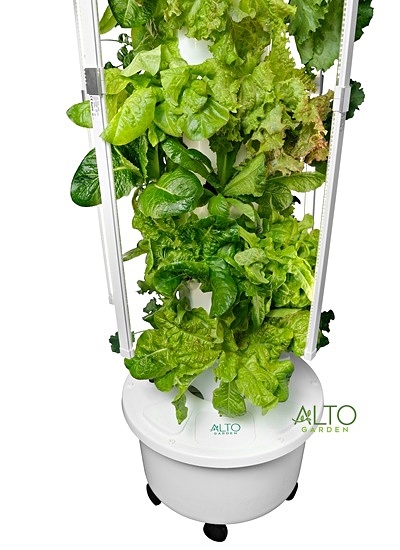

Growing fresh vegetables and herbs at home has become an important part of a healthy lifestyle. Many people want access to fresh produce that is nutritious, chemical-free, and harvested directly from their own garden. However, traditional gardening often requires large outdoor spaces, quality soil, and constant maintenance. For individuals living in apartments or homes with limited yard space, growing food may seem difficult. A tower garden offers an efficient solution that allows people to grow plants vertically while using minimal space.
A tower garden system uses a vertical structure that holds multiple plants in stacked layers. This design allows gardeners to grow a wide range of vegetables, herbs, and fruits in a compact area. By combining vertical gardening with hydroponic technology, tower gardens make it easier for beginners and experienced gardeners alike to produce fresh food at home.
What Is a Tower Garden System?
A tower garden system is a vertical gardening structure designed to support plant growth using stacked planting pockets. Each pocket holds a plant while allowing water and nutrients to circulate through the root system.
Unlike traditional gardens that rely on soil, many tower gardens use hydroponic technology. In hydroponic systems, plants grow using nutrient-rich water instead of soil. This water contains essential minerals that plants need to grow, such as nitrogen, potassium, and phosphorus.
The nutrient solution is stored in a reservoir at the base of the tower. A small pump circulates the water through the tower, delivering nutrients directly to plant roots. After passing through the tower, the water returns to the reservoir and continues the cycle.
This efficient system helps plants receive the nutrients and water they need while reducing waste.
Benefits of Using a Tower Garden
Tower gardens provide several advantages that make them appealing for modern home gardening. One of the biggest benefits is space efficiency. Because plants grow vertically, a tower garden can support many plants in a small footprint.
This makes tower gardens ideal for urban environments where outdoor space is limited. A tower garden can easily be placed on a balcony, patio, rooftop, or small backyard.
Another major advantage is water efficiency. Tower gardens recycle water through a closed-loop system, which significantly reduces water usage compared to traditional soil gardening.
Tower gardens also reduce common gardening problems such as weeds and soil-borne diseases. Since the system does not rely on soil, weeds rarely grow, making maintenance easier.
These benefits make tower gardens suitable for both beginners and experienced gardeners.
Choosing the Right Location for Your Tower Garden
Selecting the right location is essential for successful tower gardening. Most vegetables and herbs require six to eight hours of sunlight each day to grow properly.
Outdoor tower gardens should be placed in areas that receive consistent sunlight, such as patios, balconies, or open backyard spaces. Good airflow also helps keep plants healthy.
Indoor tower gardens can also thrive when provided with adequate grow lights. LED grow lights are commonly used because they provide the correct light spectrum needed for plant growth.
It is also important to place the tower garden on a stable and level surface. Stability ensures proper water circulation and prevents the tower from tipping over.
Step-by-Step Process to Set Up a Tower Garden
Setting up a tower garden is a simple process that beginners can easily follow. The first step is assembling the tower structure according to the instructions provided by the manufacturer. Most tower garden kits are designed for quick and easy assembly.
Once the tower is assembled, the next step is preparing the water reservoir. The reservoir should be filled with clean water and mixed with a hydroponic nutrient solution. These nutrients provide plants with the minerals they need for healthy growth.
After preparing the nutrient solution, seedlings can be placed into the planting pockets around the tower. Many gardeners start with leafy greens or herbs because they adapt well to hydroponic systems.
Once the seedlings are planted, the pump system is activated to circulate nutrient-rich water throughout the tower. The water flows from the top of the tower down through the roots of each plant before returning to the reservoir.
Regular monitoring ensures that the system continues to operate effectively.
Best Crops for Tower Garden Systems
Tower gardens can support a wide variety of crops, especially plants that grow well in compact environments. Leafy greens are among the easiest and most popular plants to grow.
Lettuce, spinach, kale, and arugula thrive in tower gardens and grow quickly. These vegetables are ideal for beginners because they require minimal maintenance.
Herbs such as basil, parsley, cilantro, mint, and oregano also grow very well in tower garden systems. Fresh herbs harvested from the garden can enhance the flavor of many dishes.
Strawberries are another excellent option because the vertical structure allows the fruit to hang freely, making harvesting easier.
Some gardeners also grow small vegetables such as cherry tomatoes and peppers in tower gardens.
Maintaining Your Tower Garden
Maintaining a tower garden is generally easier than maintaining a traditional garden, but regular care is still important. The most important task is checking the water level in the reservoir. Since hydroponic systems rely on water circulation, maintaining proper water levels ensures plants receive nutrients consistently.
Nutrient levels should also be monitored regularly. As plants grow, they absorb nutrients from the solution, so periodic replenishment may be necessary.
Cleaning the system occasionally helps prevent algae buildup and keeps the pump functioning properly.
Gardeners should also inspect plants regularly to identify signs of pests or nutrient deficiencies early.
With proper maintenance, a tower garden can remain productive throughout the growing season.
Why Tower Gardening Is Becoming More Popular
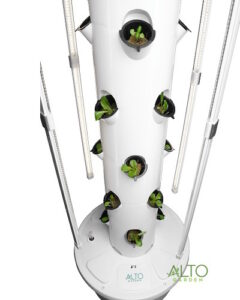
Tower gardening is gaining popularity as more people look for sustainable and space-efficient ways to grow food at home. Vertical gardening systems allow individuals to grow fresh produce even in areas where traditional gardens are not possible.
In addition to saving space, tower gardens encourage healthier eating habits by providing easy access to fresh vegetables and herbs.
Growing food at home also reduces reliance on store-bought produce that may travel long distances before reaching consumers.
These advantages make tower gardening an attractive option for modern households.
Conclusion
Tower gardens offer an innovative way to grow fresh vegetables and herbs at home while using minimal space and resources. By combining vertical gardening with hydroponic technology, tower garden systems provide an efficient and sustainable solution for home food production.
Whether placed outdoors in a sunny location or indoors with grow lights, a tower garden can help anyone enjoy fresh produce throughout the year. With proper setup and maintenance, tower gardening can become a rewarding and productive part of everyday life.
FAQ
1. How long does it take plants to grow in a tower garden?
Many leafy greens and herbs can begin producing harvestable leaves within three to four weeks after planting.
2. Can beginners set up a tower garden easily?
Yes, most tower garden systems are designed for beginners and come with simple instructions for assembly and maintenance.
3. Does a tower garden require electricity?
Most tower gardens require a small pump that uses electricity to circulate the nutrient solution through the system.