

Sub Zero refrigerators are the gold standard in modern kitchen appliances, known for their luxury design, advanced cooling systems, and long-lasting durability. But even the most premium appliances can face performance issues over time. When that happens, knowing how to approach Sub Zero refrigerator troubleshooting can help you identify common problems and take corrective steps before they turn into costly repairs.
This guide provides clear, practical, and easy-to-follow steps for maintaining your Sub Zero unit. You’ll also learn how innovative refrigeration technology plays a key role in the functioning and efficiency of these high-end appliances.
Understanding How Sub Zero Refrigerators Work
Before troubleshooting, it’s helpful to understand how Sub Zero refrigerators differ from standard models. They feature dual refrigeration systems that independently control the refrigerator and freezer compartments. This unique refrigeration technology allows for precise temperature regulation and optimal humidity levels, keeping food fresher for longer.
Each system operates with its own compressor and evaporator, preventing air and odor exchange between the fridge and freezer. The brand’s commitment to temperature stability and air purity is what makes Sub Zero an industry leader—and why troubleshooting requires attention to detail.
Recognizing When Your Refrigerator Needs Attention
A Sub Zero refrigerator rarely stops working without warning. Most issues start with subtle signs that are easy to overlook. Identifying them early can help prevent major breakdowns.
Watch for indicators such as:
- Food spoiling faster than expected
- Unusual or loud noises during operation
- Fluctuating internal temperatures
- Ice or frost buildup in the freezer
- Water pooling near the base
- Unresponsive control panel or display errors
These signs often point to issues within the cooling system, airflow, or electrical components that require Sub Zero refrigerator troubleshooting.
Checking Temperature and Cooling Performance
When your refrigerator isn’t cooling as efficiently as it should, the problem can usually be traced to a few key areas. Begin by confirming that the temperature settings are correct. Sub Zero recommends maintaining 37°F for the refrigerator and 0°F for the freezer.
If the unit feels warmer than usual, check the door seals for any gaps or cracks. Damaged seals can cause cool air to escape, forcing the compressor to overwork. Cleaning or replacing worn-out gaskets can often restore normal cooling.
Dust or debris on the condenser coils can also cause temperature issues. When coils become dirty, the refrigerator struggles to release heat, leading to reduced efficiency. Gently cleaning the coils with a soft brush or vacuum can help improve cooling performance.
If you’ve tried these steps and the refrigerator still doesn’t reach the desired temperature, there may be a more complex issue involving sensors, fans, or compressors—all of which require expertise in refrigeration technology to diagnose and repair.
Fixing Frost or Ice Build-Up
A frost-free system is one of the hallmarks of Sub Zero’s advanced design. If you notice ice or frost buildup in the freezer, it’s a sign that something isn’t functioning properly.
Start by checking that the door is sealing completely. Even a small gap can let in moisture, leading to frost formation. Also, make sure the refrigerator isn’t overloaded, as blocked airflow can disrupt the defrost cycle.
If the issue continues, it may be related to the defrost heater or timer malfunctioning. These components ensure that frost doesn’t accumulate on the evaporator coils. When they fail, ice can form, reducing cooling efficiency.
While cleaning or adjusting the door can often fix the issue, electrical or component-related problems should be handled by a professional who understands Sub Zero’s specialized refrigeration technology.
Resolving Water Leaks and Condensation
Water leaks are another common issue that can stem from blocked drains or faulty water lines. If you notice puddles forming inside or beneath your refrigerator, the defrost drain might be clogged.
You can gently flush it with warm water to remove debris or ice buildup. Make sure the refrigerator is level as well—an uneven position can cause improper drainage and pooling.
If your model has an ice maker or water dispenser, check the water line connections at the back of the unit for cracks or leaks. Persistent water issues might require replacing internal components or valves, which is best handled by a certified Sub Zero technician.
Addressing Strange Noises
Sub Zero refrigerators are designed to operate quietly, with only a gentle hum when the compressor runs. If you start hearing loud or unusual noises, it’s often a sign of mechanical stress or a blockage.
Buzzing or rattling sounds may indicate loose fan blades or ice buildup around the evaporator fan. Clicking or knocking sounds could come from the compressor cycling too frequently.
Ensure the refrigerator is level, as imbalance can cause vibration. Also, check for items touching the internal fan or vent openings. If noises persist even after inspection, it’s time to schedule a professional diagnosis. Sub Zero systems use high-precision motors and compressors that require specialized refrigeration technology knowledge to handle safely.
Understanding and Handling Error Codes
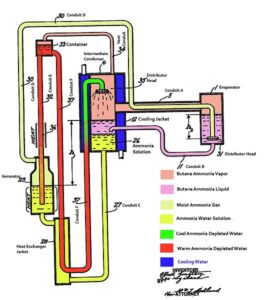
Many modern Sub Zero models feature smart control panels that display error codes when something goes wrong. These codes can alert you to temperature inconsistencies, sensor malfunctions, or compressor issues.
While resetting the power supply may temporarily clear certain codes, persistent or recurring errors should not be ignored. They indicate internal problems that need professional service. Attempting to repair electrical or system-related components without expertise could lead to further damage or void your warranty.
Keeping Your Refrigerator in Peak Condition
Routine maintenance can significantly extend the life of your Sub Zero appliance and reduce the need for major repairs. Simple habits can make a big difference in maintaining performance and efficiency.
- Clean condenser coils at least twice a year.
- Inspect door gaskets regularly to ensure airtight seals.
- Keep vents and air channels clear from obstructions.
- Replace air and water filters as recommended by the manufacturer.
- Avoid placing hot food directly into the refrigerator to maintain stable temperatures.
Regular maintenance, combined with prompt Sub Zero refrigerator troubleshooting, ensures that your appliance continues to deliver reliable cooling and energy efficiency for years.
When to Call a Professional
While basic troubleshooting and maintenance are manageable for most homeowners, some problems require expert intervention. Components like compressors, sealed systems, and temperature sensors are complex and demand the attention of trained technicians.
Professionals familiar with Sub Zero’s advanced refrigeration technology have the tools and expertise to diagnose and fix these issues effectively. Partnering with an authorized service provider, such as Wilshire Refrigeration, ensures that your appliance receives the care it deserves using genuine parts and proper repair techniques.
Final Thoughts
Mastering Sub Zero refrigerator troubleshooting doesn’t require advanced technical skills—just a careful, step-by-step approach and an understanding of how your appliance works. By paying attention to early warning signs, maintaining clean and efficient systems, and knowing when to seek expert help, you can keep your refrigerator running at its best.
Sub Zero appliances are built for performance and longevity, and with the right care, they’ll continue to deliver premium freshness and reliability for years to come. When in doubt, trust professionals who specialize in the sophisticated world of refrigeration technology to ensure lasting results.