
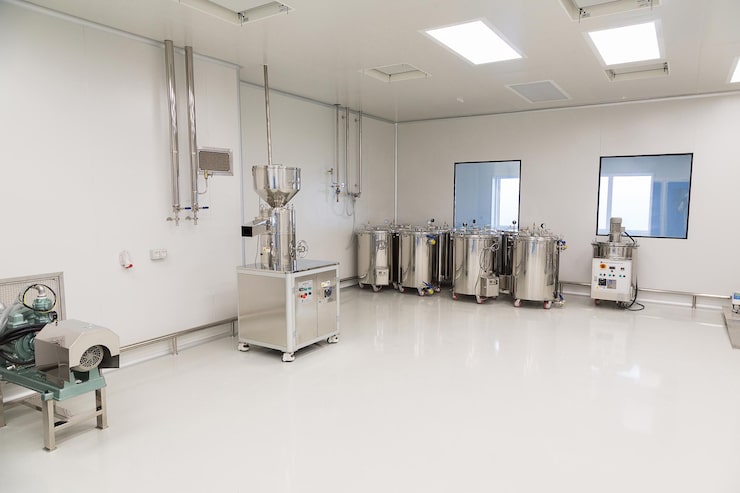

Commercial kitchens demand strict hygiene standards to ensure food safety, employee health, and regulatory compliance. From restaurants and hotels to food processing plants, flooring plays a crucial role in maintaining a clean and sanitary environment. Hygienic commercial kitchen epoxy flooring solutions have become one of the most reliable choices for modern food service facilities because they provide a seamless, durable, and easy-to-sanitize surface.
Epoxy flooring systems are designed specifically for high-traffic and high-moisture environments where cleanliness is essential. Their non-porous structure, antimicrobial properties, and chemical resistance make them ideal for food preparation areas.
Why Hygiene Matters in Commercial Kitchen Flooring
In food service environments, floors are exposed to grease, food particles, water, and cleaning chemicals every day. Traditional flooring materials such as tile or untreated concrete often contain seams or grout lines where bacteria and contaminants can accumulate.
Epoxy flooring eliminates these problems by creating a smooth, continuous surface that prevents moisture and bacteria from penetrating the floor. This design helps kitchens maintain strict sanitation standards and makes cleaning much easier.
Because the surface is sealed and impermeable, spills and food residues remain on top of the floor instead of soaking in, reducing the risk of contamination.
Key Features of Hygienic Commercial Kitchen Epoxy Flooring
Seamless and Non-Porous Surface
One of the most important hygienic benefits of epoxy flooring is its seamless design. Unlike tile floors that contain grout joints, epoxy creates a joint-free surface that prevents bacteria and dirt from hiding in cracks or gaps.
This continuous surface allows kitchen staff to sanitize the floor quickly and thoroughly during routine cleaning.
Antimicrobial Protection
Many modern epoxy flooring systems include antimicrobial additives that help prevent the growth of bacteria, mold, and fungi. These additives provide an additional layer of protection in food preparation environments where sanitation is critical.
By reducing microbial growth, epoxy flooring helps maintain a healthier kitchen environment and supports food safety regulations.
Easy Cleaning and Maintenance
Maintaining cleanliness in a commercial kitchen is easier with epoxy flooring. The smooth surface resists stains from grease, oils, and food spills, allowing staff to clean quickly with basic mopping and approved cleaning solutions.
Because the surface is non-absorbent, spills can be removed immediately without leaving permanent stains or odors.
Chemical and Grease Resistance
Commercial kitchens frequently use strong cleaning agents such as degreasers and sanitizers. Epoxy flooring is resistant to these chemicals, ensuring that the floor remains intact even with constant exposure to cleaning products.
This chemical resistance allows kitchens to maintain high sanitation levels without damaging the floor.
Moisture and Spill Protection
Kitchen environments are often exposed to steam, water, and liquid spills. Epoxy flooring acts as a protective barrier that prevents moisture from penetrating the concrete substrate.
This moisture resistance helps prevent mold growth and structural damage.
Types of Hygienic Epoxy Flooring Systems for Commercial Kitchens
Different kitchen environments may require specific epoxy flooring systems depending on traffic levels, temperature exposure, and sanitation requirements.
Quartz Epoxy Flooring
Quartz epoxy systems combine epoxy resin with colored quartz aggregates to create a highly durable and slip-resistant surface. These floors are commonly used in restaurants and food preparation areas.
Self-Leveling Epoxy Floors
Self-leveling epoxy creates a smooth, glossy surface that restores damaged or uneven concrete floors. This system is ideal for commercial kitchens that require a clean and uniform appearance.
Urethane Cement Flooring
Urethane cement flooring is often used in food processing facilities because it provides excellent resistance to thermal shock, chemicals, and moisture.
Flake Epoxy Flooring
Decorative flake epoxy flooring enhances durability while improving slip resistance. The textured surface also adds visual appeal to commercial kitchen environments.
Benefits of Hygienic Epoxy Flooring for Food Facilities
Supports Food Safety Compliance
Health departments require kitchens to maintain clean and disinfectable surfaces. Epoxy flooring meets these standards because its seamless design prevents contamination and simplifies sanitation procedures.
Improves Workplace Safety
Commercial kitchens are fast-paced environments where spills are common. Epoxy floors can include slip-resistant additives that improve traction and reduce the risk of accidents.
Long-Term Durability
Epoxy flooring systems are extremely durable and resistant to impacts, heavy equipment, and continuous foot traffic. This durability reduces repair and replacement costs over time.
Reduced Maintenance Costs
Because epoxy flooring is easy to clean and resistant to stains and chemicals, businesses spend less time and money on maintenance.
Professional Appearance
A clean, polished epoxy floor enhances the overall appearance of the kitchen and demonstrates a commitment to hygiene and professionalism.
Installation Process for Hygienic Epoxy Flooring
Proper installation is essential for achieving the hygienic benefits of epoxy flooring. Professional contractors follow several key steps:
Surface Preparation
The concrete substrate is cleaned and mechanically ground to remove contaminants and create proper adhesion for the epoxy coating.
Crack Repair and Leveling
Any damaged areas in the concrete are repaired to ensure a smooth and stable foundation.
Primer Application
A primer layer helps bond the epoxy system to the concrete surface.
Epoxy Coating Installation
The epoxy layers are applied along with slip-resistant aggregates or antimicrobial additives when required.
Protective Topcoat
A final protective layer enhances chemical resistance, durability, and ease of cleaning.
Proper installation ensures that the flooring system remains hygienic and durable for many years.
Why Epoxy Flooring Is the Best Hygienic Solution for Commercial Kitchens
Commercial kitchens must maintain strict hygiene standards to protect both employees and customers. Epoxy flooring systems provide a reliable solution because they combine durability, sanitation, and safety in a single flooring system.
Their seamless structure prevents bacterial growth, while their chemical resistance and easy maintenance make them ideal for busy food preparation environments.
Conclusion
Hygienic commercial kitchen epoxy flooring solutions are essential for maintaining a safe, clean, and efficient food service environment. Their seamless design, antimicrobial properties, chemical resistance, and slip-resistant options make them one of the best flooring choices for restaurants and food production facilities.
By installing a professionally designed epoxy flooring system, businesses can improve sanitation, meet health regulations, and create a safer workspace for employees. With proper installation and maintenance, epoxy flooring delivers long-lasting performance while supporting the strict hygiene standards required in commercial kitchens.