


A staircase is one of the few architectural elements that combines daily functionality with strong visual impact. Whether building a new home or upgrading an existing one, careful staircase design can significantly improve comfort and style. A thoughtfully planned custom staircase allows homeowners to create a structure that fits their space perfectly while enhancing safety and interior flow. With the right design approach, a staircase can become both a practical necessity and a standout design feature.
Understanding the Purpose of a Staircase
Staircases serve as essential connectors between different levels of a home. Poorly designed stairs can feel uncomfortable, unsafe, or visually out of place. Custom staircases focus on correct proportions, smooth movement, and structural stability. When designed properly, they improve daily usability while blending naturally with the surrounding architecture.
Advantages of Choosing a Custom Staircase
Custom staircases offer flexibility that standard options cannot provide. They are built according to exact measurements, ensuring a precise fit for the available space. This improves walking comfort and reduces safety risks. Custom designs also allow homeowners to choose finishes and materials that match their interior theme, creating a unified and polished look throughout the home.
Staircase Design Styles to Consider
There are several staircase styles suited for different layouts and preferences. Straight staircases are simple and efficient, making them ideal for narrow spaces. L-shaped and U-shaped designs improve safety by reducing steepness and adding landing areas. Curved and spiral staircases create visual interest and work well as statement features. Custom design ensures the chosen style fits seamlessly within the home.
Material Selection and Visual Harmony
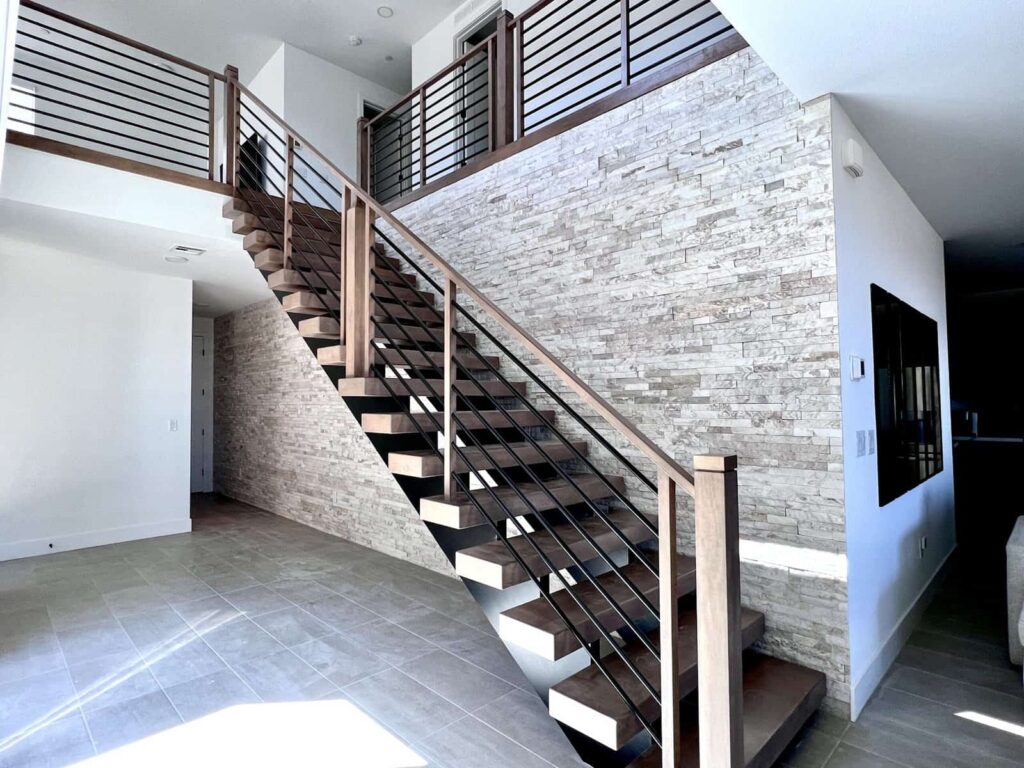
Materials influence both durability and appearance. Wood offers warmth and adaptability, making it suitable for traditional and modern interiors. Metal provides strength and a clean, contemporary look. Glass elements help open up spaces and enhance natural light. Many homeowners combine materials to achieve balance between elegance and durability. Quality materials ensure long-term performance with minimal maintenance.
Safety Factors in Staircase Design
Safety should always be a top priority when designing stairs. Custom staircases are built with uniform step height, proper tread depth, and secure structural support. These features reduce strain and minimize the risk of slips or falls. Custom designs also allow adjustments for specific household needs, such as wider steps or additional support.
The Importance of Handrails
Handrails play a crucial role in staircase safety and comfort. A well-designed custom handrail provides stability while enhancing the overall appearance of the staircase. Custom handrails can be designed to match the staircase materials and interior style, ensuring both visual consistency and secure grip. Proper height and placement improve usability for all age groups.
Space Optimization Through Custom Design
Custom staircases are ideal for making efficient use of available space. Designers can incorporate storage beneath the stairs, such as cabinets or shelves, without affecting comfort or safety. This approach is especially useful in smaller homes where maximizing space is essential. Custom planning ensures the staircase adds functionality rather than occupying space unnecessarily.
Professional Design and Installation
Expert design and installation are key to a successful staircase project. Professionals ensure accurate measurements, strong construction, and flawless finishes. Proper installation prevents common issues like uneven steps or loose railings, ensuring long-term safety and durability. Working with experienced specialists results in a staircase that performs reliably over time.
Long-Term Maintenance and Durability
Custom staircases are built to last. High-quality materials and precise craftsmanship reduce wear and maintenance needs. Regular cleaning and occasional inspections help maintain both appearance and structural integrity. Over time, a well-maintained staircase continues to add comfort and value to the home.
Conclusion
A custom staircase combines thoughtful design, safety, and visual appeal into one essential home feature. By choosing personalized layouts, durable materials, and professional craftsmanship, homeowners can create a staircase that enhances everyday living. A well-designed custom staircase remains a lasting investment in comfort, style, and home value.
Frequently Asked Questions
Can a custom staircase fit unusual home layouts?
Yes, custom staircases are designed to suit unique layouts and space constraints.
What material is best for long-term durability?
Wood, metal, or mixed materials offer excellent durability when professionally installed.
Do custom staircases require special maintenance?
No, routine cleaning and basic inspections are usually enough to keep them in good condition.