
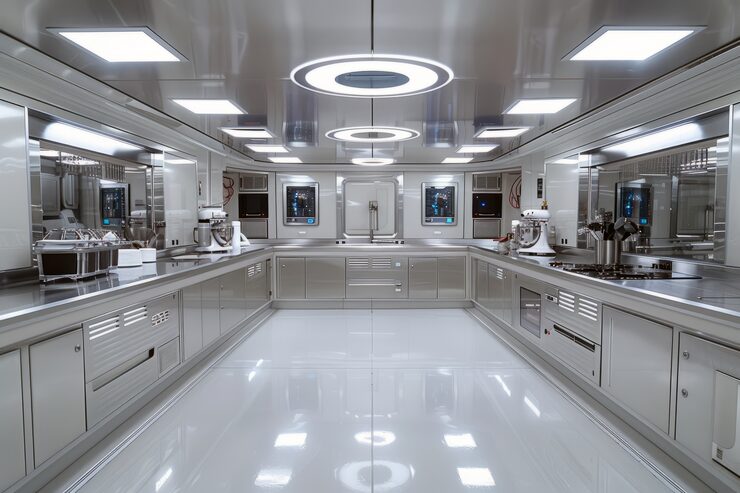

Running a food business is not just about great recipes. It is about maintaining a clean, safe, and compliant environment every single day. The commercial kitchen epoxy flooring NJ your feet plays a bigger role than most people think. From grease spills to heavy foot traffic, kitchen floors face serious daily punishment.
Choosing the right flooring system can protect your staff, satisfy health inspectors, and reduce long-term maintenance costs.
What Makes Epoxy the Gold Standard for Kitchen Floors
The Science Behind Epoxy Flooring
Epoxy is a resin-based coating that bonds tightly to concrete surfaces. Once cured, it forms a hard, seamless layer that resists moisture, chemicals, and physical impact. In kitchens, this matters enormously because standard concrete or tile floors absorb grease and bacteria over time.
A seamless surface means no grout lines, no cracks, and no hidden spaces where bacteria can grow. Cleaning becomes faster and more effective.
Chemical Resistance Matters in Food Environments
Kitchen staff use strong degreasers and sanitizers daily. Many flooring materials break down when exposed to these chemicals repeatedly. Epoxy holds up extremely well, maintaining its surface integrity even after years of harsh cleaning routines.
Safety Benefits You Cannot Afford to Ignore
Slip Resistance in High-Traffic Areas
Wet floors are a leading cause of workplace injuries in commercial kitchens. Epoxy systems can be finished with anti-slip aggregates that create texture underfoot. This dramatically reduces the risk of slips and falls, protecting your team and reducing your liability.
Thermal Shock Resistance for Hot and Cold Washdowns
Hot steam cleaning followed by cold water rinses can crack lesser floor systems. Professional Commercial Kitchen Epoxy Flooring is engineered to handle rapid temperature changes without cracking or delaminating. This thermal shock resistance is critical in busy kitchen environments.
Compliance and Inspections
Meeting FDA and USDA Standards
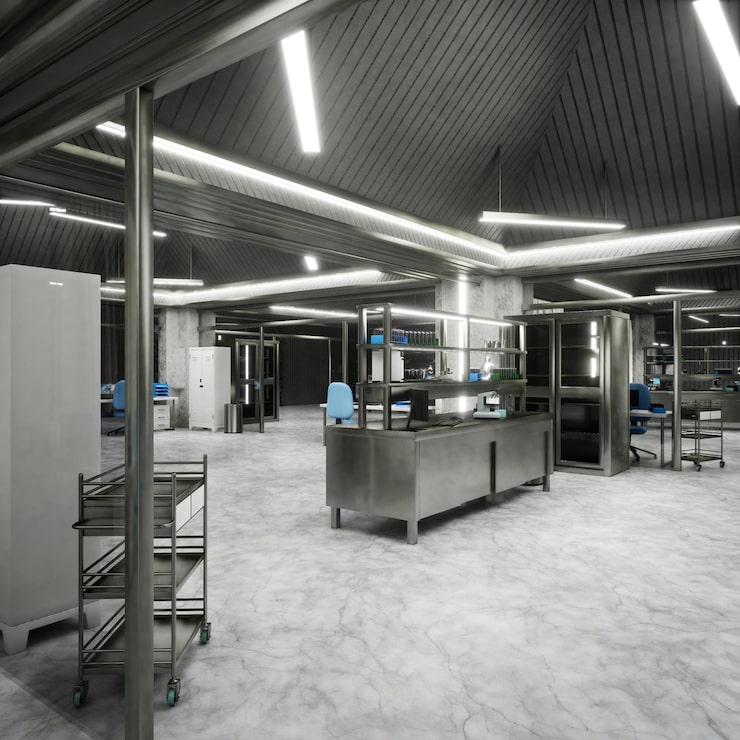
Food facilities must meet strict regulatory requirements. Epoxy flooring systems are designed to comply with FDA and USDA standards. Passing third-party audits becomes much easier when your floors are non-porous, easy to sanitize, and visually clean.
A good audit score opens doors to major clients and builds your facility’s reputation in the industry.
Easy Documentation for Health Inspectors
Modern epoxy systems come with full documentation about materials used, chemical resistance ratings, and slip resistance values. This information is useful during inspections and helps demonstrate that your facility takes hygiene seriously.
Longevity and Return on Investment
Minimal Downtime During Installation
Every hour your kitchen is shut down costs you money. Professional installation teams understand this and work to minimize disruption. Off-hours scheduling and overnight installation options mean your business can resume operations quickly.
Years of Low Maintenance Performance
Unlike tile that chips and grout that stains, epoxy floors retain their appearance and performance for years. The long lifespan of these systems means less frequent replacements and lower facility maintenance costs over time.
Conclusion
Investing in a proper floor system for your food facility is one of the most practical decisions a business owner can make. It protects your staff, supports regulatory compliance, and reduces long-term operational costs. A well-installed epoxy system pays for itself many times over through durability, safety, and ease of maintenance.